
Plants
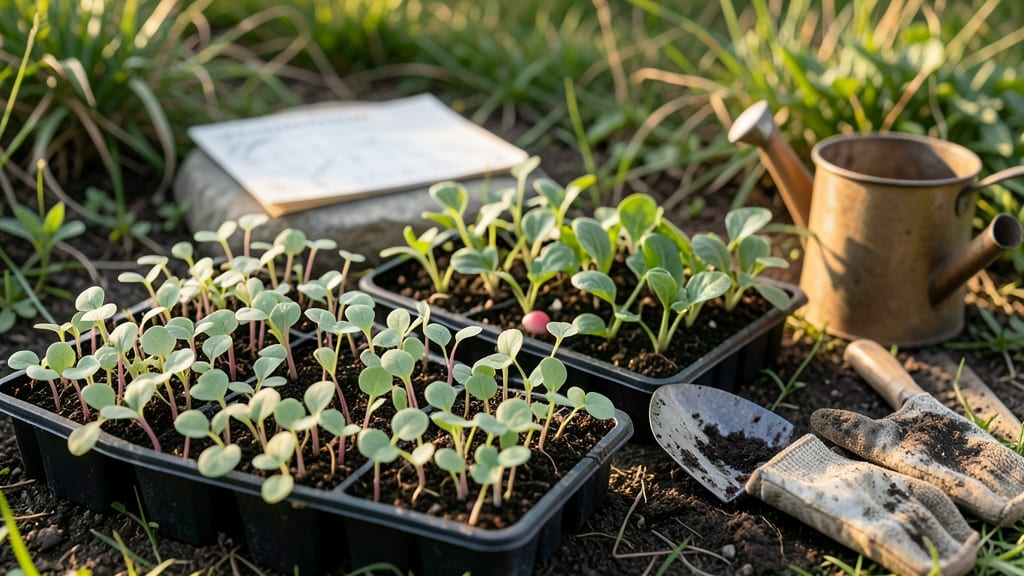
Timing your 🌱 Food Plot Mix planting in Texas isn't just about seasons—it's about matching chill hours to deer behavior, soil conditions, and regional microclimates for maximum whitetail attraction.
If you've ever wondered why some food plots thrive while others struggle, the answer often lies in when you plant them.
Texas's diverse climate zones—from 8a in the Panhandle to 10b in the Rio Grande Valley—mean what works in North Texas might fail in South Texas if planted at the wrong time.
I'll break down the ideal planting windows for cool-season and warm-season mixes, including soil temperature tips, frost-free dates, and how to align your plot with deer feeding patterns. Whether you're a beginner or a seasoned hunter, these insights will help you grow a plot that deer can't resist.
From early spring's February-March rush to fall's September-Octure opportunities, we'll cover everything you need to know to make your food plot a deer magnet year-round.
Texas food plot planting calendar by chill-hour zones
Texas's diverse climate zones create unique challenges for food plot success. Unlike one-size-fits-all advice, your planting timing should align with chill-hour requirements and USDA hardiness zones—from the Panhandle's 8a to the Rio Grande Valley's 10b.
I've mapped out the best windows for cool-season and warm-season mixes based on real-world data from Texas A&M AgriLife Extension.
Cool-season crops like clover and brassicas thrive in North and Central Texas when planted in September-October or February-March, while South Texas's milder winters allow for November-December plantings. Warm-season mixes, such as sorghum-sudangrass or millet, should wait until soil temps hit 60°F+—typically May-June in most regions.
Here’s how to match your chill-hour zone to the right planting window:
| Zone & Region | Cool-Season Planting | Warm-Season Planting | Key Crops | Soil Temp Requirement |
|---|---|---|---|---|
| North Texas (8a-8b) | Sep 15 - Oct 15 Feb 1 - Mar 15 |
May 1 - Jun 15 | Clover, Rye, Brassicas | 45°F+ (cool) 60°F+ (warm) |
| Central Texas (8b-9a) | Sep 1 - Oct 10 Feb 15 - Mar 10 |
May 15 - Jun 10 | Clover, Winter Peas, Sorghum | 50°F+ (cool) 65°F+ (warm) |
| South Texas (9a-10b) | Nov 1 - Dec 15 Feb 20 - Mar 20 |
Jun 1 - Jul 15 | Clover, Millet, Sunflower | 55°F+ (cool) 70°F+ (warm) |
For example, if you're in North Texas (USDA 8a), planting austrian winter peas in late September ensures they establish before the first frost (December 1), while warm-season sorghum planted in early May will thrive in the 90°F+ summer heat.
Miss these windows, and you risk stunted growth or failed establishment.
Pro tip: Use a soil thermometer to confirm temps before planting warm-season mixes. Aim for consistent 60°F+ for 7-10 days to avoid seed rot. I’ve seen too many plots fail because the soil was "warm enough" one day but still too cool the next.
Align your planting with deer feeding patterns too. Fall-planted cool-season plots will be lush by October-November—prime whitetail rut season—while spring plantings peak in April-May, just before the summer slump. This timing ensures food is available when deer are most active.
Don’t forget microclimates! A north-facing slope in Central Texas might frost earlier than a south-facing plot, delaying your planting by 2-3 weeks. Scout your land in late winter to identify these nuances before committing to a schedule.
Finally, test your soil in early spring to adjust pH (6.0-7.0 is ideal) and fertility. Cool-season crops need phosphorus-rich soil, while warm-season mixes benefit from potassium. I recommend a compost top-dressing in late summer to boost organic matter for fall plantings.
With these chill-hour guidelines, you’ll avoid the #1 mistake of planting too early or late—turning your food plot into a deer desert instead of a magnet. 🌱
Texas food plot planting calendar by chill-hour zones
Texas's diverse climate zones create unique challenges—and opportunities—for food plot success. The key to thriving plots lies in understanding chill-hour requirements and aligning planting windows with your USDA zone.
North Texas (8a) has 1,500-2,000 chill hours, while South Texas (10b) sees fewer than 1,000 chill hours, drastically changing what you can grow.
Cool-season crops like clover and brassicas thrive in North and Central Texas but may struggle in the Rio Grande Valley. Meanwhile, warm-season mixes like sorghum-sudangrass and pearl millet dominate South Texas's longer growing season. Let’s break down the optimal planting windows for each zone.
| Zone & Crop | North Texas (8a) | Central Texas (8b-9a) | South Texas (9b-10b) |
|---|---|---|---|
| Cool-Season (Clover, Brassicas) | Feb 15 - Mar 15 Soil temp: 50-60°F |
Feb 28 - Apr 1 Soil temp: 55-65°F |
Nov 1 - Dec 15 Soil temp: 60-70°F |
| Warm-Season (Sorghum, Millet) | May 1 - Jun 15 Soil temp: 70-80°F |
Apr 15 - May 30 Soil temp: 65-75°F |
Feb 15 - Apr 1 Soil temp: 60-70°F |
| Winter Grains (Rye, Oats) | Oct 1 - Nov 15 Soil temp: 45-55°F |
Sep 15 - Oct 30 Soil temp: 50-60°F |
Sep 1 - Oct 15 Soil temp: 55-65°F |
| Frost-Free Window | Mar 15 - Dec 1 | Mar 1 - Dec 15 | Feb 1 - Jan 31 |
For example, in North Texas, planting crimson clover in late February ensures it establishes before summer heat sets in. In contrast, South Texas gardeners should focus on warm-season mixes like teff grass planted in February to avoid late frosts.
Always check your local frost dates—North Texas averages its last frost around February 15, while South Texas can see frosts as late as January 1.
Pro tip: Use a soil thermometer to confirm temperatures before planting. Warm-season crops need soil at 60°F+, while cool-season crops tolerate cooler soils down to 45°F. Skipping this step often leads to slow germination or failed plots.
Aligning your planting with deer feeding patterns is equally critical. Fall-planted cool-season crops provide late-season browse when deer are most active, while spring-planted warm-season mixes attract them during summer sloughing season. By matching your plot to these rhythms, you’ll create a year-round deer magnet.
Don’t overlook microclimates—even within a zone, elevation and aspect (north vs. south-facing slopes) can shift planting windows by 2-4 weeks. Test small plots in different areas to refine your timing.