
Plants
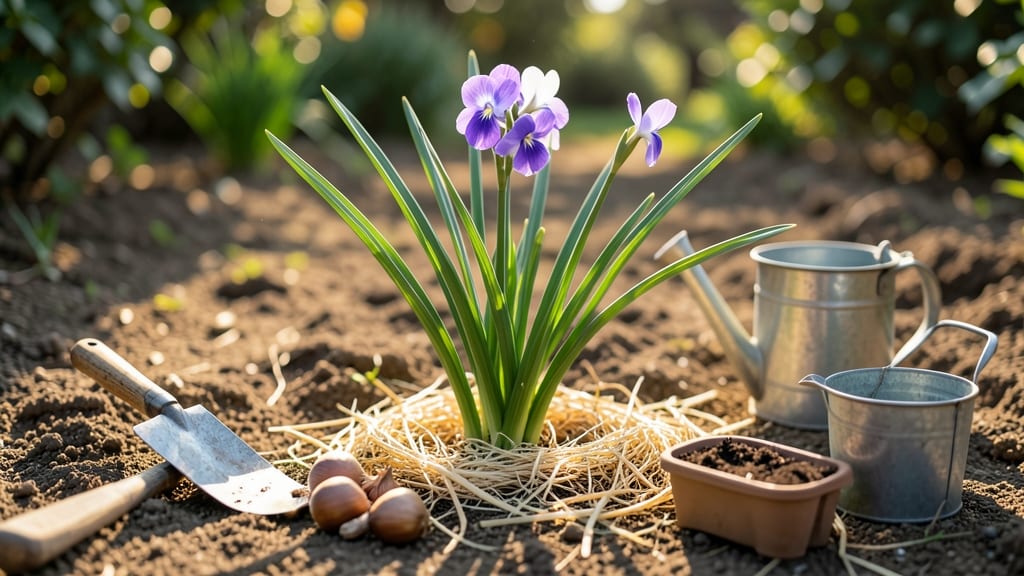
To plant freesias in Melbourne and guarantee those vibrant 🌸 blooms without frost worries, timing is everything—and the window is narrower than you’d think.
Melbourne’s mild but unpredictable autumn can make or break your freesias, so getting the bulbs in the ground between August and September is the sweet spot for zero-frost success.
Most gardeners assume spring is the only game in town, but freesias actually prefer a cooler soil start. In Melbourne’s Zone 9b climate, planting too early (like July) risks damp soil and rot, while waiting until October might delay blooms until next summer.
The key? Watch for those first autumn rains—once they arrive, your bulbs are ready to go.
Here’s the game-changer: freesias need 100-120 days to bloom, so if you want those cheerful flowers gracing your garden by spring, you’ll need to plant them by early September at the latest.
Whether you’re in the inner city or the outer suburbs, this timing ensures your freesias beat Melbourne’s occasional heatwaves and still deliver those show-stopping blooms.
I’ll walk you through exactly how to prep your soil, choose the right spot, and avoid the common mistakes that turn freesia dreams into flops. Let’s get those bulbs in the ground the right way—so you can enjoy a garden bursting with color from October through December.
Optimal freesia planting months in Melbourne’s climate zones
Melbourne’s cool maritime climate creates distinct microclimates—inner-city areas like Fitzroy stay milder than outer suburbs like Werribee. Freesias (Freesia spp.) need 6-8 weeks of cool soil to establish roots before summer heat arrives.
In Melbourne’s Zone 9b, this means planting between late August and early September for spring blooms.
Cooler coastal areas (e.g., Frankston) can plant 1-2 weeks earlier than inland zones like Sunbury. Soil temperature should reach 10°C (50°F)—use a soil thermometer to check before planting. Melbourne’s average last frost is rare in Zone 9b, but unpredictable cold snaps can still occur in July.
For container gardening, adjust timing by 2 weeks later—pots warm up faster. If you miss the ideal window, October planting still works but may yield smaller blooms due to summer heat stress. Always choose well-draining soil to prevent bulb rot in Melbourne’s humid summers.
| Zone | Ideal Planting Window | Soil Temp Threshold | Key Risk |
|---|---|---|---|
| Coastal (e.g., Mornington Peninsula) | Late August - Early September | 10-12°C (50-54°F) | Delayed root growth |
| Inner City (e.g., Fitzroy) | Early September | 12-14°C (54-57°F) | Heat stress |
| Inland (e.g., Sunbury) | Mid-September | 14-16°C (57-61°F) | Fungal diseases |
| Containers (Anywhere) | Late September - Early October | 16-18°C (61-64°F) | Overheating |
Melbourne’s 2024 rainfall patterns also influence timing—plant after the first autumn rains (usually late August) to ensure soil moisture. If your area experiences drought conditions, prioritize container planting with water-retentive mixes. Always mulch heavily (5cm) to retain moisture and regulate soil temperature.
For cut-flower gardens, aim for October blooms by planting in early September. This aligns with Melbourne’s National Flower Week (early November), perfect for local markets. Use well-draining potting mix if growing in pots to prevent root rot during Melbourne’s humid summers.
Local nurseries like Plant Nursery Melbourne often stock pre-chilled freesia bulbs in August, saving you the hassle of artificial chilling. If buying online, check for "spring-flowering" labels—these are pre-treated for Melbourne’s climate. Avoid summer-flowering varieties unless you’re planting in November for late-season blooms.
Test your soil pH (aim for 6.0-6.5) before planting—Melbourne’s alkaline soils can stunt growth. Amend with peat moss or compost if needed. Freesias hate soggy conditions, so raise beds or use gravel layers in heavy clay soils common in Melbourne’s outer suburbs.
Monitor Bureau of Meteorology forecasts for unseasonal cold snaps—even in Zone 9b. If frost threatens (below 2°C), cover plants with fleece or move containers indoors. Freesias are tender perennials in Melbourne’s climate, so treat them as annuals or lift bulbs after flowering to replant next season.
Pro tip: Plant in clusters of 5-7 bulbs for continuous blooms. Stagger planting dates by 2 weeks—this ensures prolonged flowering from October to December. Pair freesias with low-growing companions like sweet alyssum to highlight their delicate blooms.
Optimal freesia planting months in Melbourne’s climate zones
Melbourne’s climate zones create microclimates that can shift freesia planting success by 4-6 weeks. The inner city’s urban heat island effect means soil warms faster than outer suburbs, while coastal areas like Frankston stay cooler longer.
For zero-frost blooms, aim to plant bulbs when soil temperatures hit 12°C (54°F)—typically late August to early September.
Cooler inland areas like Sunbury may need to wait until mid-September, while coastal zones can start as early as August 15th. The key is watching for Melbourne’s first autumn rains—they signal ideal planting conditions by replenishing moisture without oversaturating the soil.
Here’s the critical timeline: freesias need 100-120 days to bloom, so planting by September 15th ensures spring flowers. Missing this window risks blooms appearing in summer’s heat, when freesias may struggle with wilting or heat stress.
| Zone | Ideal Planting Window | Soil Temp Threshold | Bloom Time |
|---|---|---|---|
| Inner City (e.g., CBD) | Late August - Early Sept | 12-14°C (54-57°F) | Oct-Nov |
| Coastal (e.g., Frankston) | Mid-August - Late Aug | 11-13°C (52-55°F) | Late Sept-Oct |
| Inland (e.g., Sunbury) | Mid-Sept - Early Oct | 13-15°C (55-59°F) | Nov-Dec |
For container gardening, you can extend the window slightly—plant in October if using pots, as they warm faster. Just ensure drainage holes prevent waterlogging, which is freesias’ #1 enemy in Melbourne’s humid summers.
Pro tip: Use a soil thermometer to confirm readiness. If your garden’s soil is still below 12°C in September, hold off—cool roots mean delayed blooms or rot. Patience here pays off with healthier, longer-lasting flowers.
Remember, freesias planted in July risk damp soil and bulb rot, while October plantings may bloom too late for ideal spring displays. The August-September window is your sweet spot for Melbourne’s climate—where cooler temps and consistent rains set the stage for success.