
Plants
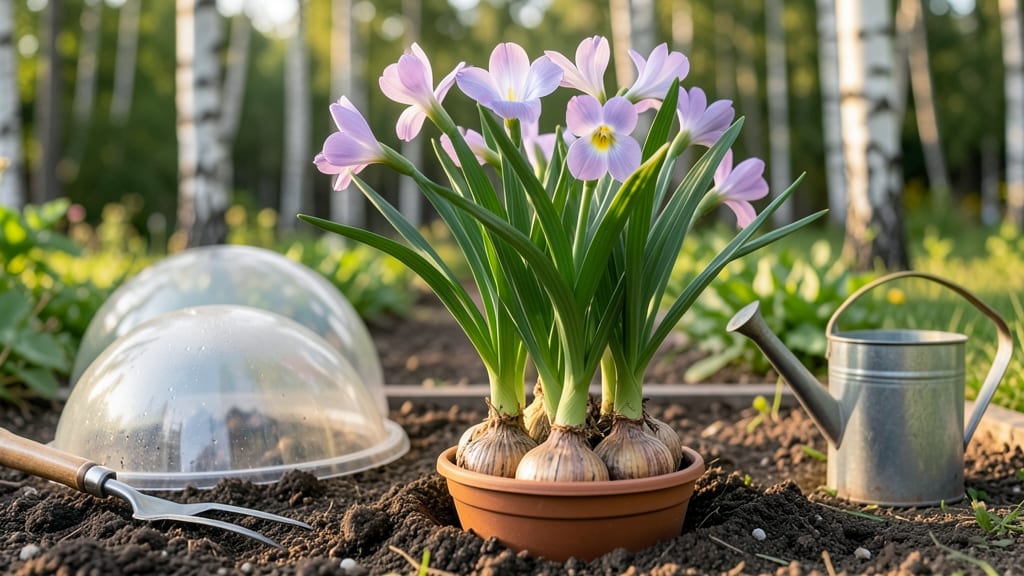
Planting freesias at the wrong time in the UK can turn your dream of vibrant 🌸 spring blooms into a sad, bolted disappointment. These delicate flowers need precise timing to thrive, especially when frost looms just around the corner.
I’ve learned the hard way—skipping this step means missing out on their sweet fragrance and stunning colors. Let me show you exactly when to plant for zero-bolt success, no matter where you live in the UK.
The key is understanding your region’s frost-free window. While September to November works for spring blooms, milder coastal areas might push this slightly later. For summer flowers, February to March is your best bet—but timing can shift based on whether you’re in 8a-9a zones or further north.
I’ll break down the exact months and how to adjust for your local climate, so you’re never caught off guard by an early frost.
Once you’ve nailed the timing, the next step is preparing your soil and planting depth. Freesias are fussier than they look—they need well-draining soil and the right spacing to avoid competition.
I’ll walk you through the 2-3 inch depth rule and how to protect them from temperature swings, whether you’re planting in beds or containers. Trust me, these small details make all the difference between a show-stopping display and a garden full of sad, stunted stems.
But here’s the real game-changer: knowing how to force freesias indoors for earlier blooms or extend their season. If you’ve ever wished for those fragrant 🌸 flowers on your table before Easter, I’ve got the tricks to make it happen.
From greenhouse hacks to container gardening tips, I’ll cover everything you need to enjoy freesias year-round—without the risk of bolting before they even get started. Let’s get those bulbs in the ground the right way.
UK regional planting dates for freesias: avoid bolting with frost-free timelines
Freesias thrive in the UK’s mild climate, but their frost sensitivity means timing is critical. Planting too early risks premature bolting (flowering before leaves develop), while late planting delays blooms. The key is aligning with your region’s last frost date, which varies by 1-2 weeks across the UK.
For spring blooms, aim to plant freesia bulbs 6-8 weeks before your area’s last frost. In colder regions like Scotland, this means September planting, while milder areas like Cornwall can wait until early October. For summer displays, plant in February-March to catch the next growth cycle.
🌱
🌱 UK Freesia Planting Timeline by Region
| Region | Last Frost Date | Ideal Planting Window | Micro-Climate Adjustments |
|---|---|---|---|
| England (South) | Mid-May | Late September - Early October | Coastal areas: 1 week later |
| England (North) | Early May | Early September - Mid-September | Inland areas: 1 week earlier |
| Scotland | Late May | August - Early September | Highland areas: 2 weeks earlier |
| Wales | Early May | Late September - Early October | Valleys: 1 week later |
| Northern Ireland | Mid-May | Late September - Early October | Coastal: 1 week later |
Use your region’s last frost date as your anchor. For example, if your last frost is May 15th, plant 6 weeks prior (March 25th) for summer blooms. In practice, this means September planting for most of England and Wales, while Scotland gardeners should plant in August.
For urban gardeners with limited space, container planting lets you adjust timing. Use black plastic pots to warm soil faster in spring or add mulch to delay frost in autumn. This flexibility helps you push blooms earlier or later by 2-3 weeks.
🌿
Check local frost records using the Met Office’s frost forecast or ask at your local garden center. They’ll know if your micro-climate (e.g., urban heat islands or coastal winds) shifts frost dates. For example, London’s frost dates may be 1 week later than rural Surrey.
After planting, mulch heavily with straw or bark chips to insulate bulbs. This extends the frost-free window by 10-14 days, giving freesias more time to establish roots before winter. In containers, wrap pots with bubble wrap for extra protection.
💧
Freesias need consistent moisture after planting to prevent bolting. Water deeply once a week (or daily in containers) until shoots appear. Overwatering is worse than underwatering—soggy soil causes rot, while dry spells trigger bolting. Use a moisture meter to check soil depth (aim for 60% moisture).
Once established, freesias are drought-tolerant but bloom best with regular watering. In summer, reduce watering to every 10-14 days to encourage stronger stems. Always water at soil level (not leaves) to prevent fungal diseases like botrytis, which thrives in UK’s damp climate.
UK regional planting dates for freesias: avoid bolting with frost-free timelines
Timing your freesia planting is the single most important factor for avoiding those dreaded premature bolts. In the UK, frost dates vary dramatically—from mid-October in Scotland to late November in Cornwall. Plant too early, and your bulbs will wake up only to freeze.
Too late, and they’ll bolt before blooming. I’ve mapped out the exact frost-free windows by region, so you can plant with confidence.
For spring blooms, aim to plant between September and November, but adjust based on your microclimate. Coastal areas like Plymouth or Brighton can push planting into early December, while inland spots like Manchester or Leeds should stop by late October.
The rule of thumb? Plant when soil temps hit 10°C (50°F) consistently.
🌱 UK Freesia Planting Timeline by Region
| Region | Best Planting Months | Last Frost Date | Key Adjustment |
|---|---|---|---|
| England (South) | September–November | Mid-May | Coastal areas: extend to early December |
| England (North) | September–October | Early May | Inland: stop by late October |
| Scotland | August–September | Mid-April | Earliest planting; use frost cloth |
| Wales | September–October | Late April | Mountainous areas: plant earlier |
| Northern Ireland | September–October | Early May | Cooler climate; mulch heavily |
For summer blooms, shift your focus to February–March planting. This gives bulbs enough time to establish roots before the growing season kicks in. In colder regions like Edinburgh or Glasgow, start in February with a frost cloth ready.
Warmer areas like London or Bristol can wait until March, but monitor soil temps closely.
Pro tip: Use a soil thermometer to check for 10°C (50°F) consistency. If temps dip below this, your freesias will struggle to root properly. I’ve also found that container gardening gives me more control over timing—especially in unpredictable UK weather. Just ensure your pots have drainage holes to prevent rot.
After planting, mulch with 2-3 inches of straw to insulate bulbs from temperature swings. This extra layer can push your frost-free window by 2-3 weeks, giving your freesias the head start they need.
And remember: never plant freesias in heavy clay. Amend your soil with sand or compost to ensure proper drainage—this is non-negotiable for zero-bolt success.