
Trees
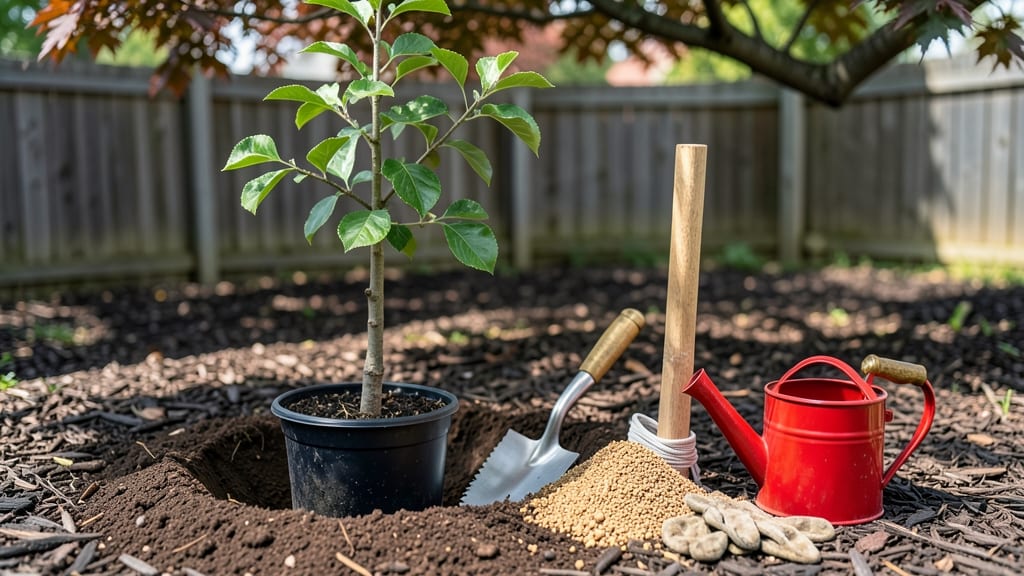
Planting fruit trees in British Columbia at the wrong time can mean the difference between a thriving orchard and years of frustration—especially when you factor in BC’s tricky chill-hour requirements and varied microclimates.
Whether you're in Vancouver’s milder coastal zone or the Okanagan’s sunbaked valleys, timing matters more than most gardeners realize. I’ve seen firsthand how a single misjudged week can throw off root establishment or blossom development, leaving you with sparse harvests or no fruit at all.
The key to success? Understanding your specific zone’s frost dates and matching them with the right fruit varieties. For example, low-chill apples like ‘Freedom’ thrive in Vancouver’s mild winters, while high-chill cherries need the Okanagan’s cold snaps to set fruit properly.
Let me walk you through the exact planting windows—spring vs. fall—and how to avoid common mistakes that even experienced growers make in BC’s wet climate.
You don’t need a degree in horticulture to get this right. With the proper preparation—like amending heavy soils and choosing the right rootstock—you can set your fruit trees up for years of reliable harvests.
I’ll break down the steps, from soil prep to variety selection, so you can confidently plant your trees at the perfect moment for your corner of BC.
Ready to turn your backyard into a productive orchard? Let’s dive into the chill-hour matching guide** that will help you pick the best varieties and planting times for your region—so you can enjoy homegrown fruit without the guesswork.
BC fruit tree planting calendar by chill-hours and climate zones
British Columbia’s diverse climate zones—from Vancouver’s mild coastal to the Okanagan’s hot interior—mean planting fruit trees at the wrong time can ruin your harvest. Chill-hours (the number of hours below 7°C a tree needs to fruit) vary dramatically across BC, so timing matters more than just seasons.
For example, apples in the Okanagan need 800+ chill-hours, while peaches on Vancouver Island thrive with just 300-500.
In BC, the optimal planting window is late winter to early spring—typically February through April—when soil is workable but frost risk has passed.
This timing ensures roots establish before summer heat stress. Fall planting (September-October) is also viable in warmer zones like the Okanagan, but requires extra mulch to protect roots from winter freezes.
Here’s the key: Plant bare-root trees when they’re dormant (no leaves), usually in late winter, and container-grown trees anytime soil isn’t frozen. Vancouver Island gardeners should aim for March-April, while Kootenay Valley growers can start as early as February due to colder winters.
Timing isn’t just about months—it’s about chill-hours accumulated and last frost dates.
🌱
| BC Zone | Chill-Hours Range | Best Planting Month | Key Varieties | Soil Prep Tip |
|---|---|---|---|---|
| Vancouver Coastal | 300–500 | March–April | ‘Crimson Crisp’ apple, ‘Redhaven’ peach | Add compost for drainage |
| Vancouver Island | 400–600 | March–April | ‘Spencer’ cherry, ‘Harvest Gold’ pear | Test pH (6.0–7.0) |
| Okanagan Valley | 800–1,200 | February–March | ‘Starking Delicious’ apple, ‘Lapins’ cherry | Raise beds 6" for warmth |
| Kootenay Region | 600–900 | February–April | ‘Gala’ apple, ‘Skeena’ plum | Mulch heavily (4–6") |
Understanding your local chill-hours is critical. For instance, Vancouver’s mild winters (300–500 chill-hours) rule out traditional apple varieties like ‘Granny Smith’ (which need 1,000+ hours). Instead, opt for low-chill varieties like ‘Crimson Crisp’ or ‘Fuji’.
Meanwhile, the Okanagan’s cold winters (800–1,200 hours) support classic varieties like ‘Starking Delicious’ but may struggle with peaches, which often need 400–600 hours.
Pro tip: Use BC’s Hardiness Zone Map (Zone 5–9) as a starting point, but chill-hours are the real decider. For example, Zone 7 Okanagan can grow high-chill apples, while Zone 8 Vancouver must stick to low-chill types.
Always check the tree tag for chill-hour requirements—this number is non-negotiable for fruit set.
Another layer to consider is soil temperature. Roots won’t grow well in cold, wet soil, so wait until the ground reaches 10°C (50°F) at least 10cm deep. In coastal BC, this often aligns with late March to April, while interior zones may be ready by February.
Use a soil thermometer to avoid guessing—root rot or stunted growth can result from planting too early.
If you’re planting container-grown trees, timing is more flexible since roots aren’t exposed to soil temperature swings. However, bare-root trees (the most common and cost-effective option) demand precise timing.
Plant them as soon as they arrive in dormant season (late winter) to minimize root desiccation. Water deeply at planting and keep soil moist but not soggy for the first 6–8 weeks.
Don’t overlook microclimates within BC. A south-facing slope in the Kootenays might warm up faster than a north-facing yard in Vancouver, shifting your planting window by weeks.
Observe your garden’s sun exposure and wind patterns—windy sites dry out faster, so plant earlier to give roots time to establish before summer winds kick in.
Finally, align planting with pruning schedules. If you’re planting a young tree, avoid heavy pruning for the first year—focus on staking and mulching to reduce stress. In BC’s wet climate, mulch with wood chips or straw (not fresh sawdust)
How to match fruit tree varieties to BC’s chill-hour requirements
Matching fruit tree varieties to BC’s chill-hour requirements is the secret to avoiding poor fruit set or no harvest at all. Chill hours—the number of hours below 7°C (45°F) a tree needs to flower properly—vary dramatically across BC’s regions.
For example, Vancouver’s mild winters require low-chill varieties, while the Okanagan’s cold snaps demand high-chill trees. If you plant the wrong variety, you might end up with blossoms that never turn into fruit—or worse, no blossoms at all.
Let’s break down the chill-hour zones in BC and the best fruit tree varieties for each. I’ll show you how to read those chill-hour labels on tree tags and what to plant in your specific area to guarantee a fruitful harvest.
The right match can mean the difference between years of homegrown fruit and years of disappointment.
🌱 Chill-Hour Zones in BC and Recommended Varieties
If you’re unsure about your local chill hours, check with your nearest BC Ministry of Agriculture office or use a chill-hour calculator online. For example, my garden in Kelowna falls into the Okanagan zone, so I always look for trees labeled with 900+ chill hours.
A misjudged variety could mean your tree blooms beautifully but never produces fruit—don’t let that happen to you!
Another pro tip: Cross-pollination is critical for many fruit trees. For example, if you plant a ‘Freedom’ apple, you’ll need another apple variety that blooms at the same time nearby.
Check the tree tag for pollination group labels—this small detail can save you from empty harvests later. Always plant at least two compatible varieties if you want fruit!
Finally, keep in mind that container-grown trees often have different chill-hour needs than bare-root trees. If you’re planting in pots, opt for dwarf varieties like ‘Columnar’ apples, which are bred for smaller spaces and often have lower chill requirements.
With the right variety matched to your BC zone, you’ll be well on your way to a reliable, homegrown harvest every year.