
Trees
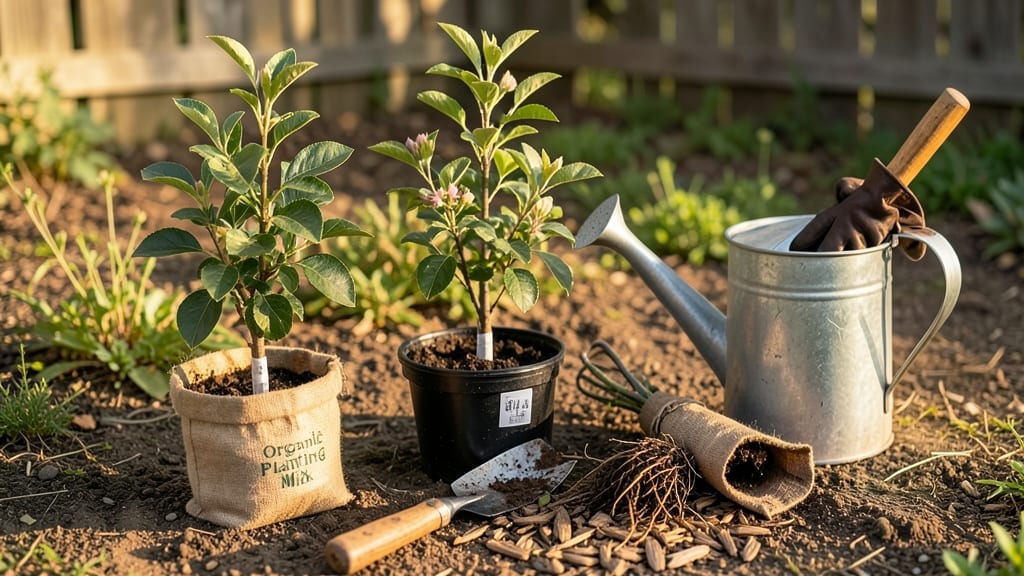
Planting fruit trees in Zone 5’s harsh winters isn’t just about timing—it’s about survival. One wrong move, and your young 🍎 could freeze before roots take hold, leaving you with years of lost harvests.
But when you nail the exact planting window, you set your trees up for decades of fruit-bearing success.
Most gardeners in Zone 5a-5b know early spring is the sweet spot, but the real secret lies in the details. We’re talking bare-root trees planted in April when soil thaws but before buds swell, or container-grown varieties snugged in by May when frost danger passes.
The difference between these windows can mean the gap between a thriving orchard and a sad, shivering sapling.
Don’t let unpredictable frost patterns throw you off—this guide breaks down how to adjust planting dates based on your local last-frost averages.
We’ll also cover which cold-hardy varieties (like ‘Honeycrisp’ apples or ‘Montmorency’ cherries) handle Zone 5’s short growing season best, so you can pick the perfect match for your climate.
Ready to turn your backyard into a productive orchard? Let’s dive into the exact months, soil prep tricks, and variety-specific tips that’ll have your fruit trees not just surviving, but thriving through Zone 5’s winters.

Best planting months for fruit trees in Zone 5 by variety type
Zone 5’s short growing season and late spring frosts mean timing is everything when planting fruit trees. Most varieties thrive when planted during their dormant season, either in early spring or fall, but the exact window depends on whether you’re using bare-root or container-grown trees.
Bare-root trees—sold without soil—must go in the ground while still dormant, typically between late March and early April in Zone 5. This gives roots time to establish before the active growing season begins.
Container-grown trees, however, are more flexible and can be planted until mid-May, as long as the soil is workable and frost risk has passed.
Stone fruits like peaches and plums are particularly sensitive to frost, so they demand earlier planting (March-April) to avoid late-season damage. Pome fruits (apples and pears) are more forgiving and can handle planting through May, but they still need to root before summer heat arrives.
Fall planting is also an option for hardy varieties like apples and cherries, with a window from late September to early October. This allows roots to settle before winter, but avoid planting too close to the first frost—roots need 4-6 weeks to harden off.
Here’s how the ideal planting windows break down by fruit type, including key considerations for Zone 5’s climate:
| Fruit Type | Best Planting Window | Key Considerations | Soil Temp. Guide |
|---|---|---|---|
| Apples & Pears | Early April–Mid-May (spring) or Late Sept–Early Oct (fall) | Hardy to Zone 5; tolerate late frosts. Fall planting ideal for bare-root. | 40–50°F (4–10°C) |
| Peaches & Plums | Late March–Early April (bare-root only) | Frost-sensitive; plant early to avoid bloom damage. Avoid container-grown in spring. | 35–45°F (2–7°C) |
| Cherries | Early April–Mid-May (spring) or Late Sept (fall) | Sweet cherries need cross-pollination; plant 2 trees. Sour cherries are self-fruitful. | 40–50°F (4–10°C) |
| Berries (Blueberries, Raspberries) | Early April–Mid-May (spring) or Early Oct (fall) | Blueberries need acidic soil (pH 4.5–5.5). Raspberries spread aggressively—plant in barriers. | 45–55°F (7–13°C) |
For bare-root trees, soak roots in water for 1–4 hours before planting to rehydrate them. Dig a hole twice as wide as the root ball but only as deep—planting too deep suffocates the tree.
Backfill with native soil (amend with compost only if your soil is poor), then water deeply to eliminate air pockets.
Container-grown trees can handle planting through June, but they’ll need consistent watering to compensate for their slower root establishment. Mulch around the base with 3–4 inches of organic mulch (straw or wood chips) to retain moisture and regulate soil temperature.
Pro tip: Use a soil thermometer to confirm ground temps are above 40°F (4°C) before planting—this signals the soil is thawed and ready for roots. In Zone 5, this often aligns with mid-April, but check your local last frost date to adjust.
🌱
Best planting months for fruit trees in Zone 5 by variety type
Zone 5’s short growing season and late spring frosts demand precision when planting fruit trees. The best window is early spring (April–May) for bare-root trees or late spring (May–June) for container-grown varieties. This timing ensures roots establish before summer heat or winter cold sets in.
For stone fruits like peaches and cherries, aim for April planting—their delicate blossoms need time to harden off before frost. Pome fruits (apples, pears) are more forgiving and can handle May planting if soil is workable. Always check your last frost date (typically mid-May in Zone 5) to adjust.
🌱
| Variety Type | Ideal Planting Month | Soil Temp Requirement | Frost Risk Note |
|---|---|---|---|
| Apples/Pears (Pome) | April–May | 40–50°F | Low (hardy buds) |
| Peaches/Nectarines (Stone) | April (bare-root) | 45–55°F | High (blossom frost) |
| Cherries (Sweet/Sour) | April (dormant) | 35–45°F | Critical (late frost) |
| Plums (European/Japanese) | April–May | 40–50°F | Moderate (blossom timing) |
| Berries (Blueberries, Raspberries) | April–June | 40–55°F | Low (established roots) |
Fall planting (September–early October) is an option for bare-root trees in Zone 5, but only if soil temps stay above 40°F. This gives roots time to establish before winter, but avoid planting if first frost is imminent—new roots won’t survive freezing.
For container-grown trees, extend your window to June if soil is moist and roots aren’t pot-bound. Just mulch heavily to retain moisture and protect roots from summer heat.
Pro tip: Use a soil thermometer to confirm temps are ideal—45–55°F is perfect for most fruit trees. Plant when soil is workable but not soggy to prevent root rot.
✂️