
Plants
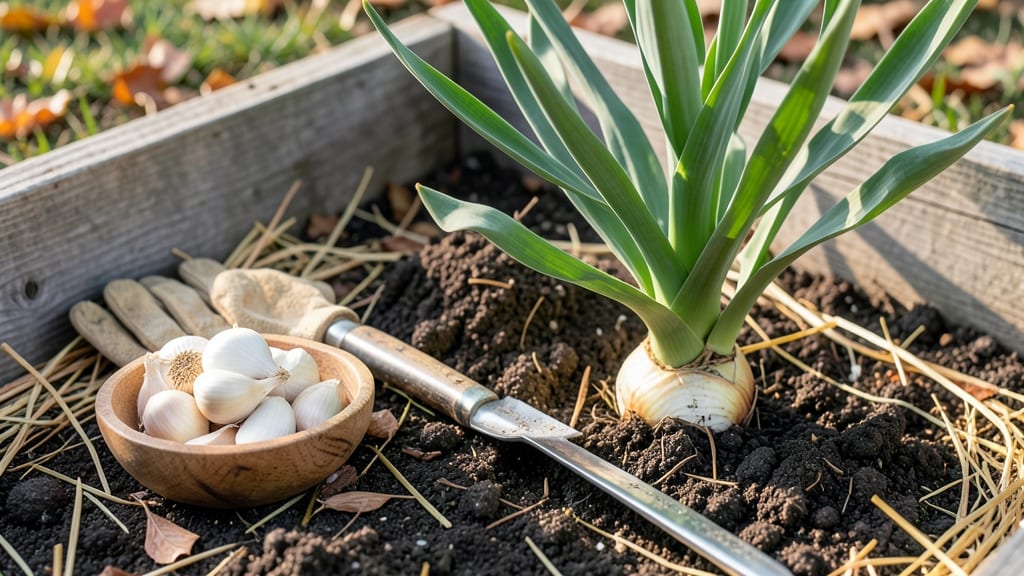
Planting garlic in Tucson at the wrong time means watching your hard work turn into bolting disasters—not the flavorful harvest you crave. The perfect window isn’t just about months; it’s about beating the heat and avoiding early scapes that rob you of those plump, papery bulbs.
With Zone 9b’s tricky frost dates and desert heat, timing is everything, and I’ve got the exact strategy to keep your 🧄 thriving until harvest.
Most gardeners in Tucson make one of two mistakes: planting too early and risking bolting before winter sets in, or waiting too long and ending up with stunted growth.
The sweet spot is late fall, when soil temps drop just enough to trigger root development without triggering those unwanted flower stalks. But here’s the kicker—Tucson’s microclimates mean your neighbor’s perfect timing might not work for you, especially if you’re in the foothills versus the valley floor.
What you’re about to learn isn’t just theory—it’s battle-tested advice from someone who’s spent years perfecting garlic in this climate. We’ll cover the exact months to plant, how to adjust for heat spikes, and the simple tricks (like mulching and watering) that keep your garlic focused on bulbs, not flowers.
No more wasted cloves or bitter harvests—just zero-bolt success from October through June.
Ready to transform your garden into a garlic powerhouse? Let’s dive into the step-by-step timing and care routine that’ll have you harvesting plump, flavorful bulbs—no guesswork involved. Your future meals (and bragging rights) will thank you.
Best planting months for garlic in Tucson’s desert climate
Tucson’s Zone 9a-9b climate creates a unique challenge for garlic growers. Unlike cooler regions, we can’t rely on traditional fall planting alone—our mild winters and early heat demand a strategic approach.
The ideal window spans mid-October to mid-November, but late January plantings also work if you’re prepared for summer adjustments.
Why this timing? Garlic needs cool soil temperatures (60-70°F) to establish roots before winter dormancy. Planting too late risks premature bolting from Tucson’s 100°F+ days in summer. Meanwhile, early plantings give bulbs time to mature before heat stress sets in.
Hardneck vs. softneck varieties also matter in Tucson. Hardnecks (like Music or German Red) thrive in our climate and produce scape shoots—harvest these early to redirect energy to bulbs! Softnecks (like Silverskin) are more heat-tolerant but may struggle with bolting if planted after December.
Soil temperature is your best guide. Use a soil thermometer to confirm temps below 75°F before planting. In Tucson, this typically aligns with late October for most areas, but higher elevations (e.g., Catalina Foothills) may need adjustments.
Pro Tip: Separate garlic bulbs into individual cloves 1 day before planting. Let them dry slightly to prevent rot in our dry heat.
🌱 Tucson Garlic Planting Timeline
| Stage | Action | Notes |
|---|---|---|
| October 15–31 | Plant hardneck varieties | Best for scapes + bulbs |
| January 1–15 | Plant softneck varieties | Heat-tolerant but slower |
| February–March | Harvest scapes (hardnecks) | Encourages bulb growth |
| April–June | Harvest bulbs | When lower leaves brown |
🌡️ Key: Soil temps must stay <60–70°F for root establishment.
If you miss the October window, don’t panic! January plantings still work, but focus on softneck varieties like Artichoke or Creole. These handle Tucson’s spring heat better and store longer, though bulbs may be smaller. Just be ready to shade plants as temps rise above 85°F.
For high-desert areas (e.g., Mount Lemmon), push planting to late September—cooler nights extend the growing season. In lower elevations (e.g., Marana), wait until mid-November to avoid heat stress during bulb formation.
Always test your soil before planting. Tucson’s alkaline soil (pH 7.5–8.5) can stunt garlic growth. Aim for pH 6.0–7.0 by amending with sulfur or composted manure 2–3 weeks before planting.
After planting, mulch heavily with straw or wood chips to retain moisture and regulate soil temps. In Tucson, this is non-negotiable—our low humidity and intense sun dry out soil quickly.
Finally, mark your calendar for April–June harvest. In Tucson, bolting often starts in March, so stay vigilant! If you see flower stalks (scapes) emerging, harvest them immediately to prevent bulb shrinkage.
Best planting months for garlic in Tucson’s desert climate
Tucson’s Zone 9a-9b climate creates a unique challenge for garlic growers. Unlike cooler regions, we can’t rely on winter dormancy to slow growth—heat and altitude directly impact planting windows.
The sweet spot for zero-bolt garlic in Tucson is October through November, but hardneck vs. softneck varieties add another layer of precision.
For hardneck garlic (best for cold storage), aim to plant 6-8 weeks before your first frost—typically mid-October.
This gives bulbs time to establish roots before winter chills trigger dormancy. Softneck varieties, which thrive in milder winters, can stretch into early December, but avoid planting after December 15 to prevent premature bolting from spring heat.
Soil temperature is your secret weapon against bolting. Ideal planting soil should be 50-60°F. In Tucson, this usually aligns with late October, but high-desert areas (like Catalina Foothills) may need earlier planting due to cooler nights. Use a soil thermometer to confirm—don’t guess!
| Variety | Best Planting Window | Soil Temp | Key Consideration |
|---|---|---|---|
| Hardneck (e.g., Rocambole, Purple Stripe) | October 15–November 15 | 50–60°F | Needs winter chill for bulb formation |
| Softneck (e.g., Artichoke, Silverskin) | November 1–December 15 | 55–65°F | Tolerates milder winters; better for low-elevation Tucson |
| Elephant Garlic (e.g., Inchelium Red) | October 1–November 10 | 50–60°F | Larger cloves; plant deeper (2–3 inches) |
Tucson’s microclimates throw another wrench into timing. Areas like Marana or Sahuarita (lower elevation) can handle December plantings thanks to warmer winters, while Mount Lemmon or Summerhaven may need September starts to avoid spring heat stress.
Always check your last frost date—Tucson’s average is January 15, but microclimates vary wildly.
Pro tip: If you miss the fall window, January planting is your backup—but expect smaller bulbs. Use shade cloth (30–50%) to protect seedlings from intense spring sun, which can trigger bolting. And never plant garlic in summer—Tucson’s heat will turn your cloves into scape-only disasters.
Once you’ve nailed the timing, soil prep becomes critical. Tucson’s alkaline soil needs compost and sulfur to hit the ideal pH 6.0–7.0. Mix in aged manure or worm castings 2–3 weeks before planting to give microbes time to wake up. Your garlic’s future harvest depends on these early steps!