
Plants
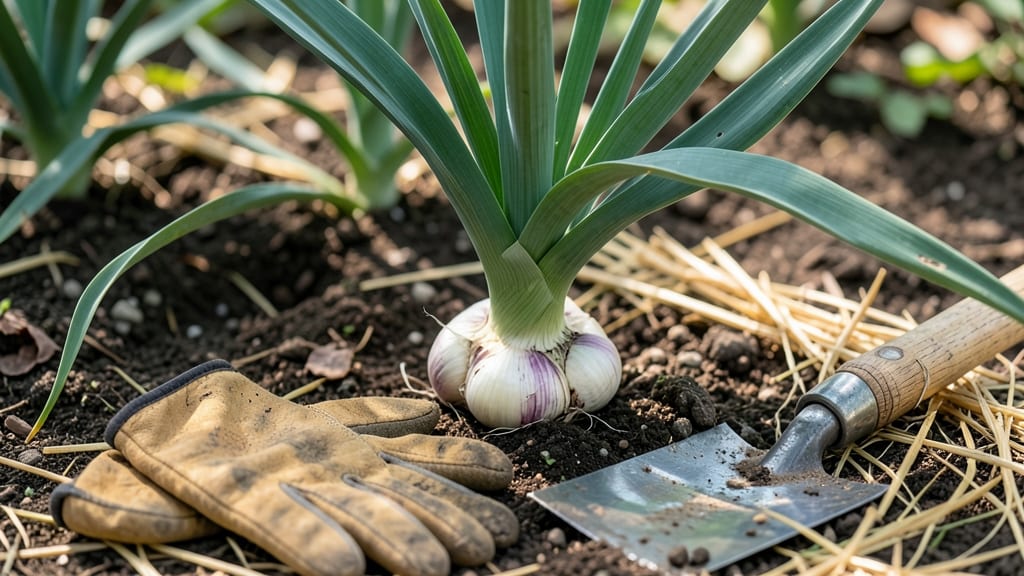
Planting garlic in Virginia at the wrong time can mean the difference between a bumper crop of plump, flavorful bulbs and a sad, frost-bitten disappointment.
The perfect window for fall planting—when to plant garlic in VA—isn’t just about avoiding frost; it’s about giving your 🧄 the ideal conditions to thrive through winter and emerge strong next summer.
Most Virginia gardeners in zones 7a-8a know the rush to get cloves in the ground before the first hard freeze, but timing isn’t just about the calendar—it’s about soil temperatures and regional microclimates.
Whether you’re in Northern Virginia or the Piedmont, planting too early can lead to rot, while waiting too long risks stunted growth. I’ll show you exactly how to nail those critical weeks so your garlic develops into bold, healthy bulbs by harvest season.
What if you could skip the guesswork and plant with confidence, knowing your garlic will survive winter’s chill and reward you with a summer harvest? The secret lies in understanding your local frost dates, soil prep, and even moon phases—yes, really!
Let’s break down the exact steps to time your planting for maximum success, so you can enjoy homegrown garlic that rivals anything from the store.
From choosing the right variety for your zone to mulching like a pro, I’ll walk you through everything you need to know. By the end, you’ll be ready to plant your garlic with the precision of a seasoned gardener—no more second-guessing, just flavor-packed bulbs waiting for you next July.
Best fall planting dates for Virginia garlic by hardiness zone
Virginia’s diverse USDA zones (5b–8a) mean your garlic planting window varies from Northern Virginia’s chilly Piedmont to the milder Coastal Plain. Hardneck varieties thrive in cooler zones (5b–7a), while softneck types suit warmer areas (7b–8a).
The key is planting 4–6 weeks before the ground freezes, typically mid-October to early November, but timing shifts slightly by region.
For Northern Virginia (zones 5b–6b), aim for October 1–15—soil temps should hover around 40–50°F. In Central Virginia (zones 7a–7b), extend the window to October 15–30, while Southern Virginia (zones 7b–8a) gardeners can plant until early November.
Moon phases also play a role: planting during a waxing moon (just after the new moon) boosts bulb development.
Hardneck garlic, like 'Music' or 'German White', needs cold stratification (40–50°F for 40–60 days) to form bulbs, so plant these earlier in the fall. Softneck varieties ('Silverskin' or 'Artichoke') tolerate milder winters and can go in 2–3 weeks later—ideal for zones 7b and above.
| Zone | Best Planting Window | Variety | Soil Temp | Moon Phase |
|---|---|---|---|---|
| 5b–6b (Northern VA) | Oct 1–15 | Hardneck (e.g., 'Music') | 40–50°F | Waxing moon |
| 7a–7b (Central VA) | Oct 15–30 | Hardneck or Softneck | 45–55°F | Waxing moon |
| 7b–8a (Southern VA) | Oct 20–Nov 5 | Softneck (e.g., 'Silverskin') | 50–60°F | Waxing moon |
Check your local first frost date (usually mid-November in Northern VA to late November in the South) and plant 6 weeks before. For example, if frost hits November 15, aim for October 1. Use a soil thermometer—garlic roots need 40°F+ soil to establish before winter.
Pro tip: In warmer microclimates (e.g., urban heat islands or near blacktop), plant 2 weeks later to avoid premature sprouting. Conversely, elevated areas (like the Blue Ridge) may need earlier planting due to colder soils.
Hardneck garlic planted in October yields scape shoots in spring (harvest these for pesto!) and mature bulbs by July–Augustno scapes. Choose based on your goals: hardneck for flavor, softneck for storage.
Missed the fall window? Don’t panic! Virginia gardeners can plant late-winter garlic (February) for a smaller but still viable harvest. Just reduce expectations—these bulbs won’t be as large or flavorful as fall-planted garlic.
For maximum bulb size, pair planting with compost-rich soil (pH 6.0–7.0) and 3–4 inches of mulch (straw or leaves) to insulate roots. This combo ensures zero-frost bulbs even in Virginia’s unpredictable winters.
🌱
How to time garlic planting for zero-frost bulbs in Virginia’s climate
Timing your garlic planting to avoid frost damage is the key to growing plump, flavorful bulbs in Virginia. The goal is to plant cloves 4-6 weeks before the ground freezes, giving roots time to establish before winter dormancy.
In most of Virginia—especially zones 7a-8a—this means aiming for late October to early November, but exact dates depend on your region’s first hard frost.
Northern Virginia (like Alexandria or Winchester) typically sees its first frost around mid-November, while the Piedmont (e.g., Charlottesville or Lynchburg) can expect frost by early November. Coastal areas like Norfolk or Virginia Beach often have a later frost window—sometimes as late as December.
Use your local USDA frost date map as your guide, but don’t rely on it alone.
Soil temperature is just as critical as air temperature. Garlic cloves need the ground to be below 40°F but above freezing when planted. If the soil is still warm (50°F+), the cloves may rot before winter.
Test your soil with a soil thermometer—plant when it’s consistently 40-50°F at 4 inches deep. This usually aligns with late October for most Virginia gardeners.
⚠️ Critical Mistake: Planting Too Early
If you plant garlic in September or early October, warm soil can cause the cloves to sprout prematurely and rot before winter. This is especially risky in Southern Virginia (zones 7b-8a), where soils stay warm longer. Wait until soil temps drop below 50°F—usually mid-October—to avoid this pitfall.
Microclimates can shift your ideal planting window by 1-2 weeks. A south-facing slope warms up faster in fall, while a low-lying area may stay cold longer. Observe your garden’s behavior: if nearby kale or carrots bolt early, your soil is likely too warm for garlic.
Conversely, if frost-sensitive plants like basil survive into November, you might push planting to early November.
Moon phases can subtly influence garlic growth, though they’re not as critical as soil temps. Planting during a waxing moon (when the moon is growing brighter) is said to encourage root development, which aligns with garlic’s needs.
Check a lunar planting calendar for your region—aim for the first week of October or November for optimal timing.
Once planted, mulch heavily with 6-8 inches of straw or leaves to insulate bulbs from freeze-thaw cycles, which can crack them. In Zone 7a, where winters are colder, add an extra layer of mulch or use row covers for added protection.
With the right timing and care, your garlic will emerge next spring ready to bolt and produce flavorful bulbs by summer.