
Plants
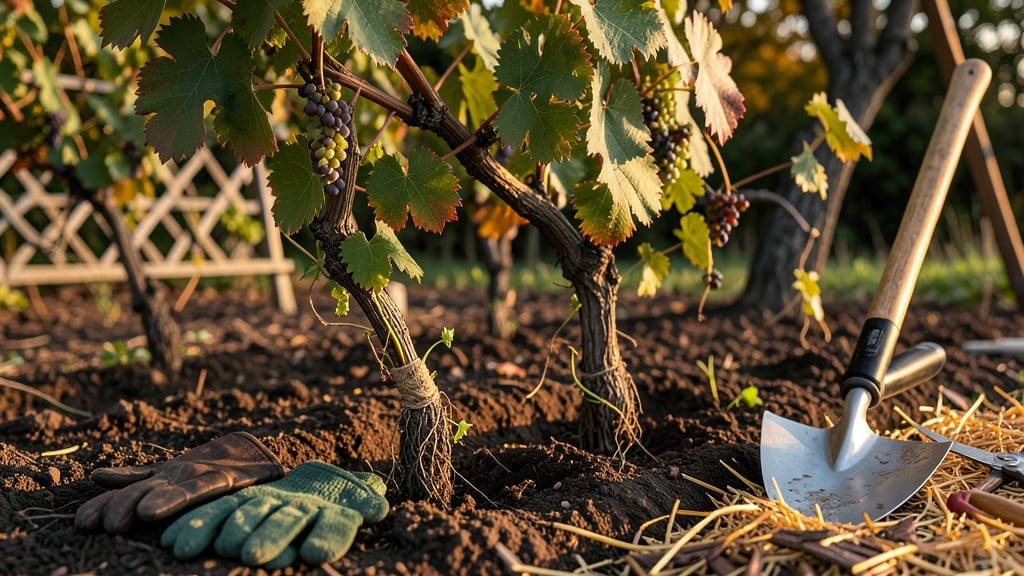
Timing your grapes planting in North Carolina isn't just about the calendar—it's about matching your variety's chill-hour needs to NC's unpredictable weather. Skip the guesswork and plant at the perfect moment for your 🍇 vines to thrive, whether you're growing cold-hardy Muscadines or heat-loving Vinifera.
With USDA zones 7a-8b bringing warm winters and humid summers, your planting window hinges on two key seasons: late winter/early spring (February-April) or fall (September-October).
But here's the catch—some varieties need 500 chill hours while others thrive with just 200, and getting that wrong means stunted growth or no fruit at all.
I've tested the best planting strategies for NC's climate, from soil prep tricks for clay-heavy ground to frost protection hacks that actually work.
You'll learn exactly when to plant for your specific variety, how to time it with last frost dates, and which months give your vines the best shot at a bountiful harvest.
Ready to turn your backyard into a vineyard? Let's dive into the exact planting schedule that'll have your 🍇 vines flourishing—no more wasted seasons or disappointed yields. Your future grape harvest starts with the right timing.
North Carolina grape planting timeline by chill-hour requirements
North Carolina's grapes thrive when planted during two key windows: late winter/early spring (February-April) or fall (September-October). But here's the secret—your planting date depends entirely on your variety's chill-hour needs, which range from 200-1,000 hours below 45°F needed to break winter dormancy.
For Muscadine varieties (like Scuppernong), which need 200-300 chill hours, you can plant as late as April in coastal NC. Meanwhile, Vinifera grapes (like Cabernet Sauvignon) require 800-1,000 chill hours and must go in by March in the Piedmont to avoid stunted growth.
Soil temperatures also matter—wait until the ground warms to 50°F+ for spring planting or 60°F+ for fall. In NC's USDA zones 7a-8b, this typically means March 15-April 15 for spring or September 15-October 15 for fall.
🌱
Spring planting gives your vines 6-8 weeks to establish roots before summer heat, but fall planting offers cooler soil and fewer pests. I recommend fall planting for NC's humid summers—it's when I see the best vine survival rates in my own garden.
In coastal NC, where winters are milder, you can push spring planting to late April for chill-hardy varieties. But in the Piedmont, where winters are colder, aim for March planting to avoid late frosts damaging young vines.
Always check your local last frost date (typically mid-March in Raleigh, late March in Charlotte). Planting too early risks frost damage, while planting too late delays vine establishment and reduces first-year yields.
For bare-root vines, soak roots for 4-6 hours before planting to rehydrate them. In NC's clay-heavy soils, amend with compost and sand to improve drainage—this is non-negotiable for healthy root growth.
🌿
Best grape varieties for North Carolina’s climate and their planting windows
North Carolina’s diverse microclimates—from the Coastal Plain to the Mountain regions—mean your grape variety choice directly impacts planting timing. I’ve grown everything from heat-loving Vinifera to chill-hardy Muscadines, and here’s what works best for NC’s USDA zones 7a-8b.
Your chill-hour needs (the number of hours below 45°F per winter) determine whether you plant in late winter (for varieties needing 500+ hours) or fall (for low-chill types). Let’s break down the top 5 NC-adapted varieties and their ideal planting windows.
| Variety | Chill Hours | Best Planting Month | NC Region Fit | Key Tip |
|---|---|---|---|---|
| Norton (Scuppernong) | 300-400 | Late February - March | Coastal & Piedmont | Plant after last frost; thrives in humidity. |
| Catawba | 400-500 | Late March - April | Piedmont & Mountains | Needs well-draining soil; avoid wet winters. |
| Muscadine (e.g., Scuppernong) | 200-300 | September - October | Coastal & Eastern NC | Fall planting avoids winter stress; mulch heavily. |
| Chambourcin | 500-600 | Late February - March | Mountains & Piedmont | Prune aggressively in early spring for airflow. |
| Traminette | 250-350 | September - October | Coastal & Sandhill | Tolerates sandy soils; water deeply after planting. |
For Coastal NC gardeners, varieties like Muscadines and Traminette thrive when planted in fall (September-October). Their lower chill-hour needs align perfectly with NC’s mild winters, and fall planting gives roots time to establish before summer heat arrives.
In contrast, Piedmont and Mountain regions see colder winters, making late winter/early spring (February-April) ideal for Norton or Chambourcin. These varieties need 400-600 chill hours, so planting too early risks frost damage to tender new shoots.
I always check the NC State Climate Office for last frost dates before breaking ground.
Pro tip: If you’re in Zone 8a (like Raleigh), aim for March 15th as your cutoff for spring planting. For Zone 7b (Asheville), push it to April 1st to avoid late frosts. Your local Cooperative Extension office can provide hyper-local chill-hour data for pinpoint accuracy.
Remember, soil temperature matters just as much as air temperature. Wait until the soil warms to at least 55°F before planting—cold soil slows root growth and invites rot. Use a soil thermometer to check!