
Plants
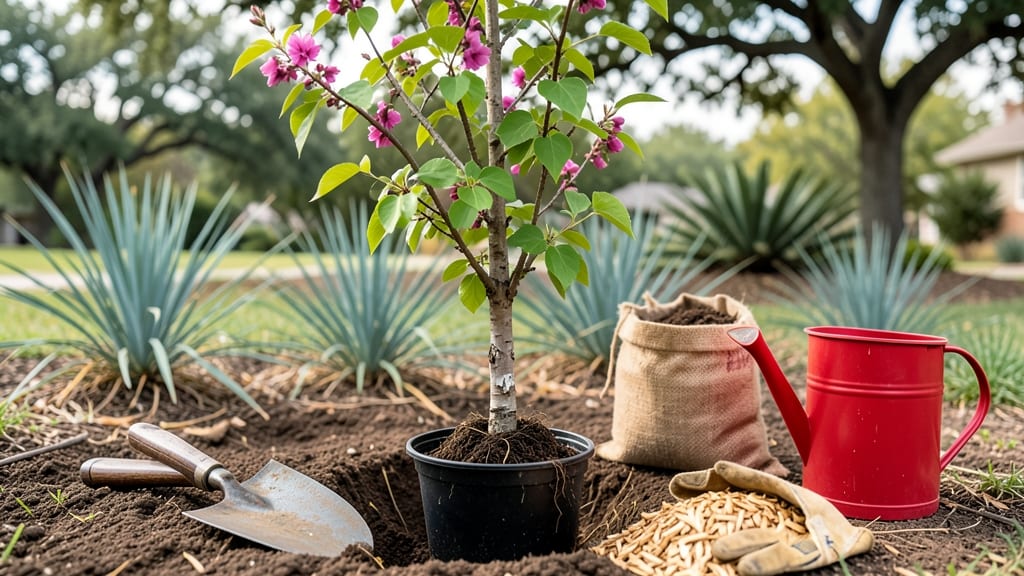
Planting a tree in Texas isn’t just about timing—it’s about survival. With scorching summers, unpredictable droughts, and regional microclimates, getting it wrong can mean your 🌳 struggles to take root before the heat sets in.
The right season makes all the difference, whether you're in the cooler hills of North Texas or the balmy coastal plains of the Gulf.
Most experts agree that fall (October–November) and early spring (February–March) are the best times to plant. Why? Because cooler temperatures and occasional rain give young roots a fighting chance to establish before the brutal Texas sun arrives.
But here’s the catch: your exact window depends on where you live—North Texas might have frost until January, while South Texas stays frost-free year-round.
In this guide, I’ll break down the best months for planting by region, so you know exactly when to dig. Plus, you’ll learn how to prep your soil, choose the right species for your climate, and avoid common mistakes that turn thriving trees into sad statistics.
Let’s get your 🌳 off to the strongest start possible.
Whether you’re planting an oak that’ll last centuries or a fruit tree for your family’s harvest, timing is everything. Skip the guesswork and follow these region-specific tips to ensure your tree doesn’t just survive—it thrives in the Lone Star State’s toughest conditions.
Best months to plant trees in Texas by region: a climate-smart guide
Texas isn’t one-size-fits-all when it comes to planting trees. The North Texas panhandle faces harsh winters, while South Texas enjoys near-tropical conditions. Even within regions, microclimates—like urban heat islands or river valleys—shift ideal planting windows.
For most Texas trees, fall (October–November) and early spring (February–March) are your best bets, but let’s break it down by region to avoid costly mistakes.
Why? Fall planting gives roots time to establish before summer’s brutal heat, while spring planting avoids winter stress. In Central Texas, where temperatures swing wildly, timing is critical.
A Live Oak planted in May might struggle through its first summer, while the same tree planted in November could thrive. Let’s dive into the specifics for your area.
| Region | Best Planting Months | Key Considerations | Example Trees |
|---|---|---|---|
| North Texas (Dallas/Fort Worth) | October–November or February–March | Avoid planting after April 15 (heat stress risk); soil temps below 50°F slow root growth. | Post Oak, Cedar Elm, Chinese Pistache |
| Central Texas (Austin/San Antonio) | October–December or February | November is ideal—cooler temps and 3+ inches of rain per month boost survival rates. | Live Oak, Pecan, Mountain Laurel |
| East Texas (Houston/Beaumont) | September–November or January–February | Humidity is high year-round; avoid summer planting (fungal diseases thrive). | Southern Magnolia, Bald Cypress, Crape Myrtle |
| West Texas (El Paso/Midland) | October–November or March–April | Wind exposure is critical—plant on leeward sides of buildings. Water deeply 3x/week for first year. | Mesquite, Desert Willow, Texas Ebony |
For fruit trees like pecans or figs, timing shifts slightly. Pecan trees, for example, should go in the ground 60–90 days before last frost in your area—typically late February in North Texas or January in South Texas.
Meanwhile, native species like the Eastern Redbud or Texas Mountain Laurel are more forgiving, but they still prefer cooler months.
Pro tip: Check the Texas A&M AgriLife Extension for your USDA Hardiness Zone (Texas spans 8a–10a). For example, Zone 8b (common in Central Texas) has a last frost date of January 15, while Zone 10a (South Texas) rarely sees frost. Use this to fine-tune your planting window.
Container-grown trees offer flexibility—you can plant them almost year-round in Texas, but avoid peak summer (June–August) unless you’re committed to daily watering and shade cloth. Bare-root trees, however, must be planted in their dormant season (November–March) to minimize transplant shock.
One common misconception? "Spring is always best." Not in Texas. While spring planting works for some species, fall planting often yields stronger root systems because cooler temps reduce stress. For instance, a Live Oak planted in November can establish 50% more roots by spring than one planted in March.
Regional rainfall patterns also play a role. In West Texas, where annual rainfall is 12 inches or less, newly planted trees need supplemental watering even after establishment. Meanwhile, East Texas’s higher humidity means fungal diseases like root rot are a bigger threat, so well-draining soil is non-negotiable.
Lastly, don’t overlook soil temperature. Use a soil thermometer to ensure it’s above 55°F before planting—cold soil can stunt root growth. In North Texas, this might mean waiting until mid-March, while South Texas can start as early as January.
Ready to plant? Pick your region, mark your calendar, and give your tree the best possible start. The first year is critical—strong roots now mean decades of shade and beauty later. 🌳
How to prepare your Texas soil and tree for planting success
Before you plant a tree in Texas, your soil and the tree itself need serious prep work. Texas soil can be heavy clay in some areas or sandy in others, both of which drain poorly or hold too little moisture.
Start by testing your soil’s pH and texture—aim for a slightly acidic to neutral range (6.0–7.5) for most trees. You can grab a soil test kit from your local Texas A&M AgriLife Extension office or order one online.
Amend your soil with organic matter like compost or well-rotted manure to improve drainage and water retention. For clay-heavy soils, mix in sand or perlite to break up compaction, while sandy soils benefit from peat moss or coconut coir.
Dig a hole twice as wide as the tree’s root ball but only as deep as the root system—never deeper, or you’ll suffocate the roots.
🌱 Step-by-Step Pre-Planting Checklist
- Test soil pH – Use a kit to check acidity/alkalinity.
- Amend soil – Mix in compost or organic matter.
- Loosen roots – Gently tease apart root ball if pot-bound.
- Dig wide hole – Twice the width, same depth as root ball.
- Add mycorrhizal fungi – Boosts root growth in Texas soil.
- Water deeply – Before and after planting to reduce shock.
If you’re planting a bare-root tree, soak the roots in water for 1–2 hours before planting to rehydrate them. For container-grown trees, inspect the roots—if they’re circling, gently prune them to encourage outward growth.
Place the tree in the hole so the root flare (where roots meet trunk) sits just above soil level. Backfill with native soil mixed with compost, tamping lightly to remove air pockets.
After planting, create a watering basin around the base by mounding soil to direct water to the roots. Mulch with 2–4 inches of organic mulch (like pine straw or wood chips) to retain moisture and regulate soil temperature.
Avoid piling mulch against the trunk—keep it 3–6 inches away to prevent rot. Water deeply and slowly for the first 10–15 minutes to help roots settle into the soil.
In the weeks leading up to planting, acclimate container-grown trees to outdoor conditions if they’ve been indoors. Gradually expose them to direct sunlight and wind to harden them off.
If planting in late fall or early spring, protect young trees from freeze damage with burlap wraps or frost cloths during unexpected cold snaps. Texas’ unpredictable weather means preparation is key—strong roots now mean a stronger tree later.
Finally, consider adding mycorrhizal fungi to the planting hole. These beneficial microbes form symbiotic relationships with tree roots, improving nutrient and water uptake—critical for Texas’ intense heat and drought.
You can find them in powder or granular form at garden centers. With these steps, your tree will have the best shot at thriving in Texas’ challenging climate. 🌳