
Plants
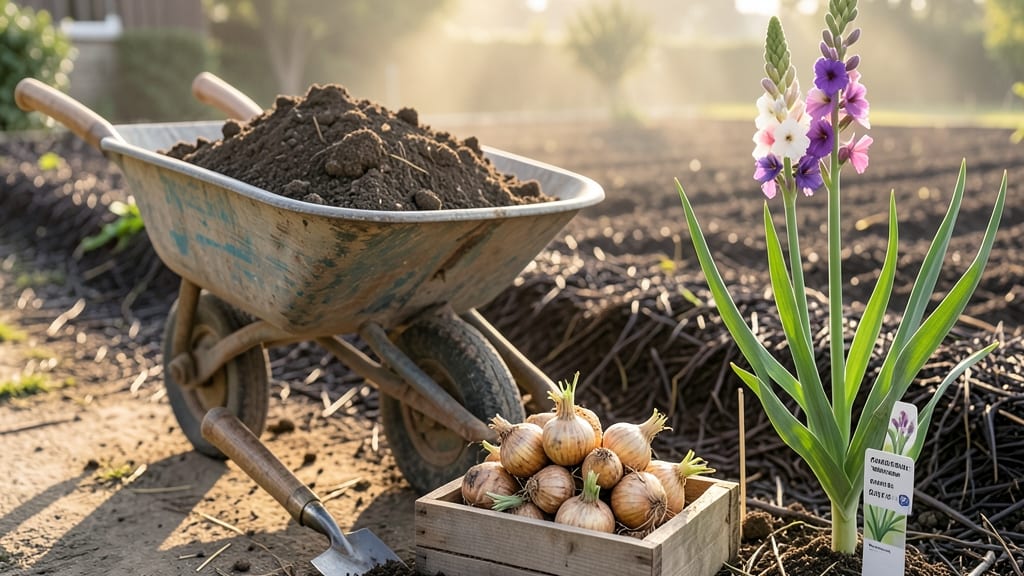
NC last frost dates & ideal gladiolus planting weeks for peak summer color
North Carolina's USDA zones 7a-8b create a perfect stage for gladiolus blooms, but timing your planting is critical. These heat-loving bulbs need warm soil and frost-free conditions to thrive—plant too early, and you risk frost damage; too late, and your summer color show gets delayed.
Let's break down the exact weeks before last frost for each zone, plus how soil temperatures impact your planting schedule.
Gladiolus bulbs should be planted 4-6 weeks before your area's last frost date, but soil temperature matters more than calendar dates. Aim for 60°F+ soil temps at planting time—cold soil can stunt growth.
In NC, this typically means late March to early April for most regions, but coastal areas (like USDA zone 8b) may start 2-3 weeks earlier due to milder winters.
Soil temperature is your best guide: Use a soil thermometer to confirm 60°F+ before planting. If your soil stays cold, wait—gladiolus bulbs won't sprout until conditions are right. Pro tip: Black plastic mulch can warm soil 5-10°F faster if you're in a rush for blooms!
For zone 7a gardeners (like those in the Blue Ridge Mountains), aim to plant March 15-April 1—this gives bulbs 6-8 weeks to establish roots before the average last frost of April 15.
In zone 8b (e.g., Outer Banks), you can start as early as February 1, but soil temps are critical—wait until 50°F+ to avoid rot.
If you're unsure about your last frost date, check the NC State Climate Office or use local garden centers' frost calendars. A general rule: Mountains freeze later than Piedmont, and coastal areas warm faster in spring.
For peak summer blooms, stagger plantings every 2 weeks—this extends your gladiolus season from July to September!
Once planted, gladiolus bulbs need full sun (6+ hours daily) and well-draining soil. Amend heavy clay with compost or sand to prevent rot. After planting, water deeply once a week until shoots appear—then increase to every 3-5 days during dry spells.
Mulch with straw or pine needles to retain moisture and regulate soil temperature.
Remember: Gladiolus bulbs are not cold-hardy—they’ll die if frozen. If late frosts threaten after planting, cover bulbs with row fabric or straw mulch until danger passes. For extended blooms, deadhead spent flowers and fertilize lightly with a balanced 10-10-10 mix every 4-6 weeks during the growing season.
Pro tip: Save your bulbs for next year by digging them up after the first frost kills the foliage. Cure them in a dry, shady spot for 2 weeks, then store in mesh bags until fall replanting.
With the right timing, your gladiolus will reward you with bold, dramatic blooms that steal the show all summer long!
How to adjust planting time for NC’s unpredictable spring weather patterns
North Carolina’s spring weather can be as unpredictable as a gladiolus in a hurricane—one day sunny, the next a surprise frost. If you’ve ever planted bulbs only to watch them nipped by late frost, you’re not alone.
The key is flexibility: knowing how to adjust planting windows based on soil temperature, humidity, and those infamous April cold snaps that hit the Piedmont harder than the coast.
Most gardeners aim for 4-6 weeks before last frost, but NC’s microclimates demand smarter strategies. For example, the Mountains (Zone 7a) might see frost in early May, while the Coastal Plain (Zone 8a) could be frost-free by late February.
Use a soil thermometer—plant when soil hits 60°F (15°C) at 4 inches deep, even if air temps dip. This trick buys you 2-3 weeks of wiggle room if Mother Nature throws a curveball.
⚠️ Late Frost Warning: NC’s Most Vulnerable Zones
If you’re in Zone 7a (Asheville, Boone), wait until May 1—historical frost data shows a 30% chance of late frosts before then. For Zone 8a (Raleigh, Fayetteville), you can plant as early as March 15, but monitor forecasts for 32°F nights.
🌡️ Pro Tip: Use black plastic mulch to warm soil by 5-10°F faster than bare earth.
Humidity is another NC wildcard. In the Coastal Plain (Zone 8b), soggy soil from spring rains can delay planting. Amend clay-heavy soil with compost or sand to improve drainage—gladiolus bulbs rot faster in waterlogged conditions than they bloom in perfect timing.
If your garden stays damp, opt for raised beds or plant on mounds to elevate roots.
Heat waves complicate things too. If temps soar above 85°F (29°C) before bulbs sprout, they’ll bolt prematurely (send up skinny, weak stems). To prevent this, use shade cloth (30-50%) during heat spikes or plant in partial shade until soil cools.
Stagger your planting: drop half your bulbs in April and the rest in early May for a longer bloom season.
Don’t have a backup plan? Try container gardening. Fill pots with well-draining mix, plant bulbs, and move them to a protected spot (like a garage or shed) if frost is forecasted.
Once danger passes, transplant to your garden. This method lets you delay planting until May 15 without risking frost damage.
Remember: gladiolus bulbs are hardy but not frost-proof. If you’re unsure, err on the side of planting late—a June bloom is better than no bloom at all. And always mark your calendar for your local last frost date (check the NC State Climate Office for updates).
With these adjustments, you’ll turn NC’s weather chaos into show-stopping summer color—no flops guaranteed.